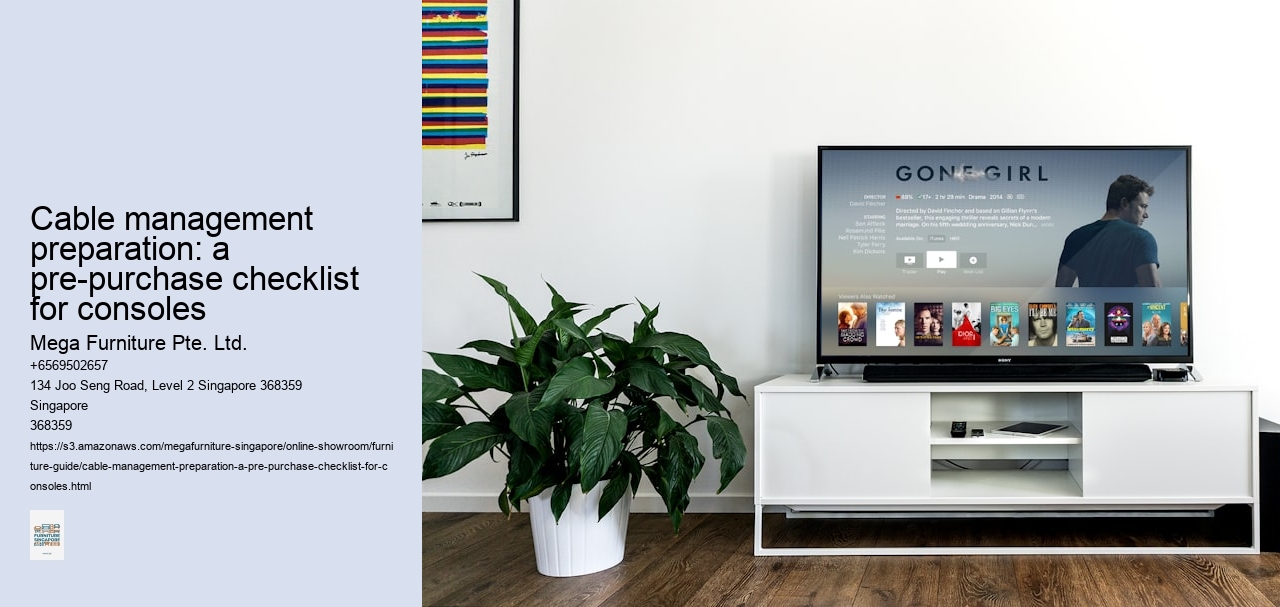
Singapore’s ambient humidity isn't just a weather report; it's a material selector. That beautiful solid oak console you saw online can develop a permanent wobble or a stubborn drawer within a year, its timber quietly warping in the 80%+ air. The solution is in the surface: moisture-resistant laminates, engineered wood with proper sealing, or metal frames. A sintered stone top is practically impervious, wiping clean of condensation rings without a second thought.
Pets add another layer of practical consideration. A Labrador’s happy tail becomes a weapon against delicate veneers, and cat claws find untreated wood irresistible. An easy-clean, scratch-resistant laminate surface is your best defence; performance finishes that resist hair and minor scrapes let you enjoy the living room without constant vigilance. For frames, powder-coated metal legs or treated wood in a matte finish hide the evidence of daily life far better than a high-gloss lacquer.
Space is the final, non-negotiable local criterion. In a 4-room BTO living room, every centimetre from wall to bomb shelter door counts. A standard 45cm-deep console can make the passage feel like a corridor. The workaround is a shallower, floating design—around 30cm deep—that preserves crucial floor space while still housing a soundbar and boxes. The floating installation creates a visual lightness, too, making the room feel more open.
For those utilising the bomb shelter itself, the challenge is different. A deep, floor-standing unit here can swallow the entire tiny room. Opt for a console that’s shallower than the shelter is deep, leaving a sliver of walkable space behind it; wall-mounting isn't usually an option on those thick walls, so a low, floating-style console on slender legs can still offer drawer storage without the oppressive bulk. It’s a compromise that acknowledges the reality of compact living.
You’ll find a range of solutions built for these local realities at Megafurniture’s collection, from moisture-resistant laminates to space-conscious floating designs. The key is matching the piece not just to your TV size, but to the specific climate and rhythms of your home.
The box that forms your console’s main body matters far more than its finish. In a humid climate and with the weight of a 75-inch TV above, you want plywood carcasses, not particle board. Particle board swells irreversibly with moisture exposure — a real risk in Singapore's wet seasons or from accidental spills. Plywood, with its cross-laminated layers, resists this warping and holds screws for hinges far more securely over years of use. That structural integrity is what prevents a sagging middle shelf from buckling under your PlayStation and soundbar. It’s the difference between a console that survives a move to your next BTO and one that gets left behind.
Full-extension, soft -close runners aren't a luxury; they're a necessity for accessing gear stuffed at the back. Standard runners leave a third of your drawer space unusable, forcing you to dig for that spare HDMI cable. Brands like Blum or Hettich are industry benchmarks for a reason — their mechanisms glide smoothly under load and close silently every time, a small mercy in a household with sleeping kids. Cheap runners fail within a year, jamming or dropping drawers onto your toes. For a console that’s opened daily, this is one component where you don't compromise.
Floor-standing units bear the entire load, so their legs need to be substantial. Look for solid steel frames or reinforced hardwood, especially for consoles stretching 240cm. Avoid plastic caps screwed into MDF legs; they crack under stress and offer poor stability on polished porcelain tiles. In a high-traffic HDB living room, where the console gets nudged during cleaning or by toddlers, sturdy legs prevent a dangerous wobble. That solid base also ensures drawers operate smoothly, as the entire structure isn't flexing with every movement.
Examine the surfaces you’ll actually touch and see daily. A laminated top should have tightly sealed edges to prevent peeling, which is common with heat and humidity cycling. Open shelving sections, often used for decor, should have finished edges, not raw board — that’s a tell for cost-cutting. Check that any back panels, though hidden, are at least a sturdy hardboard, not flimsy cardboard; a proper back panel adds racking strength. These details separate a piece that looks good in a Tampines showroom from one that still looks good in your Aljunied flat after two years.
Build quality dictates how the console ages in your home. A well-built piece will handle the vibration from a surround sound system without developing rattles. Its joints, ideally dowelled or screwed — not just stapled — will remain tight through Singapore’s seasonal expansion and contraction. This integrity means the console stays level, protecting your TV’s stand, and doors won’t sag out of alignment. It’s the unseen engineering that allows a TV console to function as permanent, reliable infrastructure rather than becoming another disposable furniture item in a few years. For a comprehensive look at options built to these principles, you can browse the TV console range available.
It’s a familiar sight in HDB showflats: a pristine, wall-mounted console with a single HDMI cable snaking neatly to a TV. The reality, once you move in, is often a tangled mess behind a cabinet that’s suddenly too shallow. That gap between the ideal and the installed usually stems from a few overlooked, practical details.
One common oversight is cable port sizing. Modern setups demand HDMI 2.1 for 4K gaming or high-frame-rate content, and those cables are thicker—often around 8mm in diameter. A console with tiny, decorative cable grommets simply won’t accommodate them, forcing you to leave the back panel off and defeating the purpose of a clean install. Similarly, forgetting to account for power strip depth is a classic error. A standard strip is about 10cm deep, but you’ll need a cavity of at least 15cm to house it comfortably without the console jutting awkwardly from the wall.
Choosing a wall-mounted unit without verifying your wall type is another gamble, especially in older resale flats. Not every partition is a Building and Development Board-approved structural wall capable of bearing the load; mounting on a lightweight false wall risks a costly and dangerous collapse. It’s a check that’s easily forgotten in the excitement of a new living room design.
Then there’s the style-over-substance trap. A sleek console with fixed shelves might look perfect in a Tampines showroom, but it won’t adapt to your specific gear. Local set-top boxes and soundbars often have odd dimensions—adjustable or even removable shelves are non-negotiable for a truly tailored fit. Prioritising a low-slung silhouette over internal flexibility usually means your equipment ends up stacked on top, in plain view.
Ultimately, the most elegant console is the one that disappears into your daily use. You can explore options designed with these practicalities in mind at Megafurniture’s collection.
A 240-centimetre console looks manageable in a product grid on your phone. In a typical 4-room BTO living room, it can visually dominate the entire feature wall—or it might just anchor it perfectly. That’s the sort of proportion you can’t gauge online, and it’s why a trip to the Joo Seng or Tampines showroom isn’t a nice-to-have; it’s essential. You’re not just seeing a piece of furniture, you’re assessing its physical presence against room mock-ups that mirror Singapore flat dimensions, letting you judge whether that sleek, low-slung design will feel substantial or simply get lost. You need to test the hardware with your own hands. Pull out every drawer—feel the weight of the glide, listen for the sound it makes when fully extended. Run your fingers over the laminate finishes; the subtle grain of an oak veneer or the cool, seamless touch of a sintered stone top reads very differently in person than in a studio-lit photo. This tactile verification matters because you’ll interact with these surfaces daily, and a drawer that feels cheap on its runners will grate every time you reach for a charger. Then there’s the practical reality of cable management, which product descriptions often gloss over. Bring your actual router, that chunky multi-plug adapter, and the power brick for your console. Verify that the promised cut-outs and rear channels can physically accommodate them all without forcing the unit to sit awkwardly away from the wall. Many designs claim integrated solutions, but only a hands-on check confirms whether the gaps are merely decorative or truly functional for your specific nest of cables. Seeing how a full-length console anchors a media wall is the final, irreplaceable test. You’ll understand how much floor space it truly consumes, how it interacts with your planned TV size, and whether the storage configuration suits your lifestyle. It’s the difference between buying a cabinet and commissioning a centrepiece for your living area. For a considered purchase of this scale, that in-person assessment at
Megafurniture’s showroomis the only way to be sure.
That moment of triumph when your new TV console arrives at the void deck can vanish quickly if it won’t fit past the lift door. Delivery logistics here are non-negotiable, especially for those in older HDB blocks with narrower lifts or landed properties where navigating a 200cm unit up a tight staircase is a genuine puzzle. Always confirm the crate dimensions against your lift and main doorway — a console that’s 220cm long and 55cm deep might be fine in the showroom, but it’s the packaged height and width that get you. For landed homes, the staircase turn is the usual culprit; measure the diagonal clearance at the tightest corner before you commit.
Self-assembly seems straightforward until you’re staring at misaligned pre-drilled holes for cable grommets, leaving your HDMI and power cables straining at awkward angles. A professional installer doesn’t just save you an afternoon of frustration; they ensure the unit is level on an uneven floor, the back panels align perfectly for clean cable routing, and any wall-mounted or floating variant is securely anchored to your specific wall type. That precision matters for both safety and the final, seamless look.
Given our constant humidity, a robust warranty is your best defence against material fatigue. Look for coverage that explicitly lasts three years or more, focusing on structural integrity — joints, frames, and load-bearing shelves. Laminated boards can warp, and veneers might peel if the core material isn’t properly stabilised for tropical conditions. Keep your invoice filed, not just for the warranty registration, but as proof of purchase for any humidity-related claims down the line. Retailers like Megafurniture often bundle assembly with delivery, which is a sensible investment for a piece that’s meant to organise your entire entertainment setup.
The StarHub fibre box is the most stubborn object in a living room — it’s a beige plastic rectangle that refuses to be beautiful. A solid-back TV console can hide it completely, provided there’s a cable access grommet near the wall for the incoming fibre line; you’ll need to confirm the console’s rear panel isn’t just a thin, vented board. Many local suppliers, like Megafurniture, list these specs precisely because it’s a common HDB headache.
Best console for cat scratching? Opt for sintered stone or high-pressure laminate tops; they’re largely impervious to claws. Real wood veneer or lacquered MDF will show every scratch, turning that sleek console into a dedicated scratching post within weeks.
How to manage cables in a floating console on a brick wall? It’s a two-step job. First, use a cable management sleeve or raceway painted to match your wall colour, running it vertically from the console to the nearest power outlet. Second, inside the console itself, employ a combination of adhesive cable clips and a short power strip with a flat plug to keep everything organised and prevent a dangling jungle of wires.
Difference between EU and SG bed sizing for matching bedroom TV units? An EU single is 90cm wide, while a Singapore single is often 91cm or 100cm; the mismatch means a media unit designed for a European bed’s proportions might look awkwardly short. For a 12 sqm HDB master bedroom, it’s safer to choose a console based on your actual mattress dimensions and the wall space available, rather than assuming standardised international sizing.
The last thing you want is a console that’s 5cm too deep, forcing your new 65-inch TV to overhang the edge like a diving board. That final measurement check isn’t just about aesthetics—it’s about physics, especially in a 4-room BTO living room where every centimetre from the wall is precious. Cross-reference the unit’s listed depth against your planned TV standoff; a typical 40cm deep console might leave a 75-inch screen feeling precariously perched if the wall mount doesn’t have a tight enough pull-in.
With dimensions confirmed, finalise your cable routing plan. Decide now whether you’ll rely on the console’s built-in rear cable channels or if you need the cleaner, though more permanent, solution of drilling through the cabinet’s grommets. Rear channels are easier for future changes, but grommets offer a sealed look that’s worth the effort for a permanent media setup—just ensure your power strip and HDMI cables are already on hand.
Then, in the flat’s natural light, hold the finish sample against your existing HDB flooring and any built-in carpentry. A warm oak laminate might clash with cool-grey sintered stone flooring; a matte walnut veneer could be the needed bridge between dark teak feature walls and light tiles. This isn’t about matching perfectly, but about ensuring the new piece doesn’t look like an obvious afterthought in the room’s colour story.
Finally, coordinate the logistics before you commit. Have your installer’s contact confirmed and their wall-mount schedule aligned with the console’s delivery for a single weekend setup—because nobody wants a TV leaning against a wall for a week while they chase different contractors. A smooth installation often hinges on this one weekend, turning a collection of boxes into a finished media centre by Sunday night. You can browse a range of options with detailed specifications to help finalise these details at Megafurniture’s collection.
The most common mistake is buying a console that's a perfect fit for the TV but leaves the living room door perpetually ajar. In many HDB BTO layouts, that's a real risk - a standard living room wall length runs from 3.2 metres to just over 4 metres, and a 75-inch TV demands a console at least 180cm long. That leaves precious little buffer on either side for a door swing or a floor fan. A TV console anchors the wall opposite the sofa in the same way a tall bookshelf anchors a corner — long horizontal piece, mix of open and closed storage, defines the visual weight of one whole side of the room. Megafurniture's TV Console range covers floating wall-mounted designs, low-profile freestanding consoles, and modular feature-wall configurations. Most pieces sit at 40-50cm height, sized for screens up to 75 inches.. A Bookshelf earns its place in Singapore homes through dual function — book and decor storage in the open shelves, soft visual division when placed mid-room in open-plan condominium layouts. Megafurniture's combined display unit and bookshelf hub covers tall book racks, cubby-hole designs, ladder shelves, modular cube systems, and glass-door pieces in oak, walnut, and MDF veneer finishes. Solid-wood pieces typically start around $425, with most heights spanning 120cm to 220cm to fit standard 2.6m HDB ceilings.. Measure twice, buy once. Start with the wall itself, marking out the exact space you intend to fill with painter's tape on the floor. This visual box forces you to account for the practicalities: a 240cm media wall unit might look stunning in a showroom, but in a 4-room resale flat's 3.5m living room, it can overwhelm the space and block natural light from a nearby window. The console's length should complement the wall, not conquer it. Scale shifts dramatically in a condo. A 12 sqm study-bedroom doubling as a media space might only accommodate a 120cm unit, which suits TVs up to 55 inches. Here, the constraint isn't just wall length but walkway clearance - a deep, floor-standing design in a narrow room will make it feel like a corridor. A wall-mounted or floating console becomes a functional necessity, preserving that crucial 60cm of walking space. Don't forget the swing radius of your main doors and balcony access. It's a detail often missed until the delivery team is awkwardly angling the box through a 70-degree opening. For corner units in developments like those in Bedok or Tampines, consider how the console's depth interacts with perpendicular traffic flow from the kitchen. That sleek, 50cm-deep sintered stone top might be the only thing that works. Ultimately, your room's function dictates its form. A family-centric living room needs robust, child-friendly storage and clear pathways; a minimalist adult retreat can prioritise a lower profile and cleaner lines. Once you've taped out your space and mapped the traffic, you can start to
browse viable optionswith confidence, filtering for the dimensions that truly fit your home.
The most common mistake is buying a console that’s a perfect fit for the TV but leaves the living room door perpetually ajar. In many HDB BTO layouts, that’s a real risk — a standard living room wall length runs from 3.2 metres to just over 4 metres, and a 75-inch TV demands a console at least 180cm long. That leaves precious little buffer on either side for a door swing or a floor fan. Measure twice, buy once. Start with the wall itself, marking out the exact space you intend to fill with painter’s tape on the floor. This visual box forces you to account for the practicalities: a 240cm media wall unit might look stunning in a showroom, but in a 4-room resale flat’s 3.5m living room, it can overwhelm the space and block natural light from a nearby window. The console’s length should complement the wall, not conquer it. Scale shifts dramatically in a condo. A 12 sqm study-bedroom doubling as a media space might only accommodate a 120cm unit, which suits TVs up to 55 inches. Here, the constraint isn’t just wall length but walkway clearance — a deep, floor-standing design in a narrow room will make it feel like a corridor. A wall-mounted or floating console becomes a functional necessity, preserving that crucial 60cm of walking space. Don’t forget the swing radius of your main doors and balcony access. It’s a detail often missed until the delivery team is awkwardly angling the box through a 70-degree opening. For corner units in developments like those in Bedok or Tampines, consider how the console’s depth interacts with perpendicular traffic flow from the kitchen. That sleek, 50cm-deep sintered stone top might be the only thing that works. Ultimately, your room’s function dictates its form. A family-centric living room needs robust, child-friendly storage and clear pathways; a minimalist adult retreat can prioritise a lower profile and cleaner lines. Once you’ve taped out your space and mapped the traffic, you can start to
browse viable optionswith confidence, filtering for the dimensions that truly fit your home.